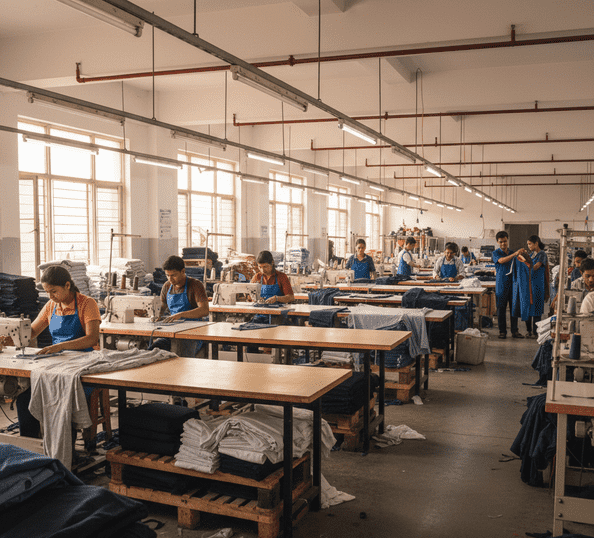
Quality control and compliance are fundamental pillars of successful apparel manufacturing. For global buyers, maintaining consistent product quality and meeting international compliance standards are non-negotiable requirements. Effective quality management protects brand reputation, reduces returns, and ensures customer satisfaction.
Quality control in apparel manufacturing typically begins at the pre-production stage. This includes sample evaluation, fabric testing, and approval of trims and accessories. Early-stage inspections help identify potential issues before bulk production starts, saving time and cost.
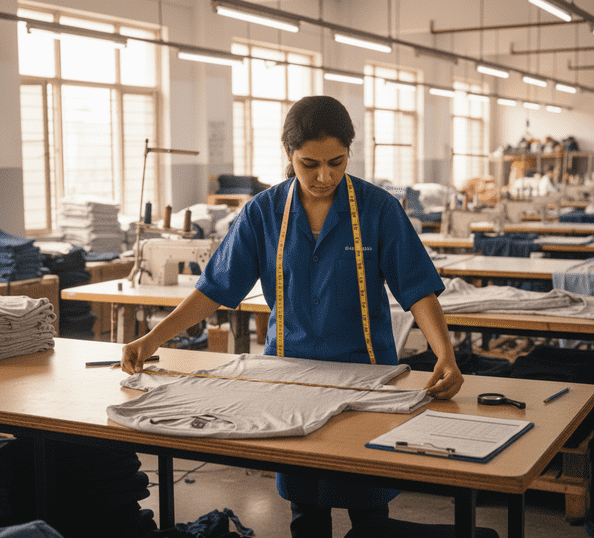
During production, in-line inspections play a crucial role. These inspections monitor workmanship, measurements, stitching quality, and construction consistency. Detecting issues during production allows corrective actions to be implemented immediately, preventing large-scale defects.
Final inspections are conducted once production is complete and goods are packed. This stage verifies that the finished products meet buyer specifications, approved samples, and acceptable quality levels. Pre-shipment inspections provide buyers with confidence before goods are dispatched.
Compliance is equally important, especially for exports to European and international markets. Factories must adhere to labor laws, workplace safety regulations, environmental standards, and ethical sourcing requirements. Regular audits and documentation ensure compliance with buyer codes of conduct and international regulations.
A strong quality control and compliance framework reduces risk, improves operational efficiency, and strengthens trust between buyers and manufacturers. Brands that prioritize quality and compliance are better positioned to build long-term partnerships and achieve sustainable growth.