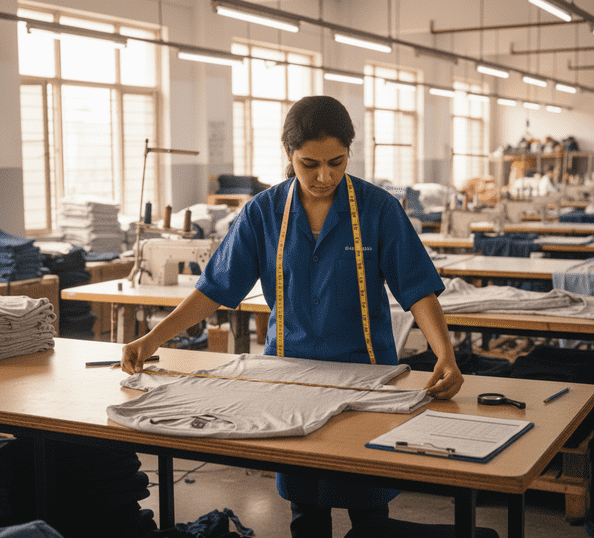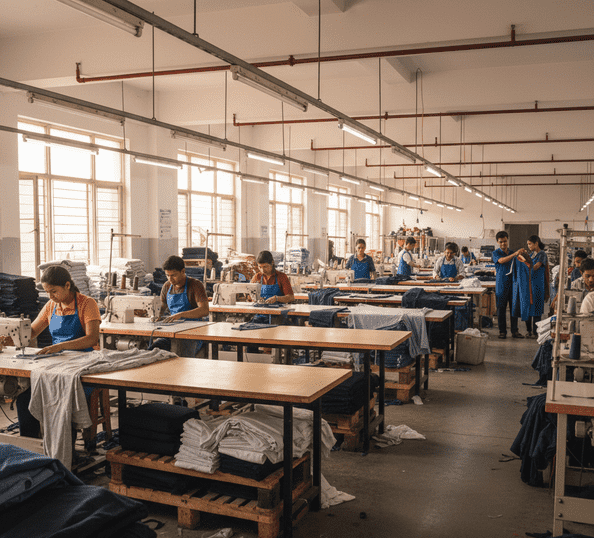
Apparel sourcing and manufacturing play a critical role in the success of global fashion and retail brands. Choosing the right manufacturing partners, ensuring consistent quality, and managing production timelines are essential to maintaining brand reputation and profitability. Bangladesh has emerged as one of the world’s most trusted apparel manufacturing hubs, offering a strong combination of skilled labor, large production capacity, and competitive pricing.
One of the key advantages of sourcing apparel from Bangladesh is its well-developed manufacturing ecosystem. The country is home to thousands of factories specializing in knit, flat knit, and woven garments. From basic t-shirts and polo shirts to complex woven and fashion-forward designs, manufacturers in Bangladesh are capable of meeting diverse product requirements.
Effective apparel sourcing begins with factory evaluation and selection. Brands must consider factors such as factory compliance, production capacity, machinery, workforce expertise, and previous export experience. A structured sourcing process helps minimize risks related to quality, delivery delays, and non-compliance.
Manufacturing success also depends heavily on clear communication and production planning. Accurate tech packs, approved samples, and realistic lead times are essential for smooth execution. Close coordination between sourcing teams, factories, and quality personnel ensures that production aligns with buyer expectations from raw material sourcing to final shipment.
In today’s competitive market, brands are increasingly looking for sourcing partners who can offer transparency, accountability, and end-to-end support. A well-managed apparel sourcing and manufacturing strategy not only reduces operational challenges but also creates long-term value through stable supplier relationships and consistent product quality.